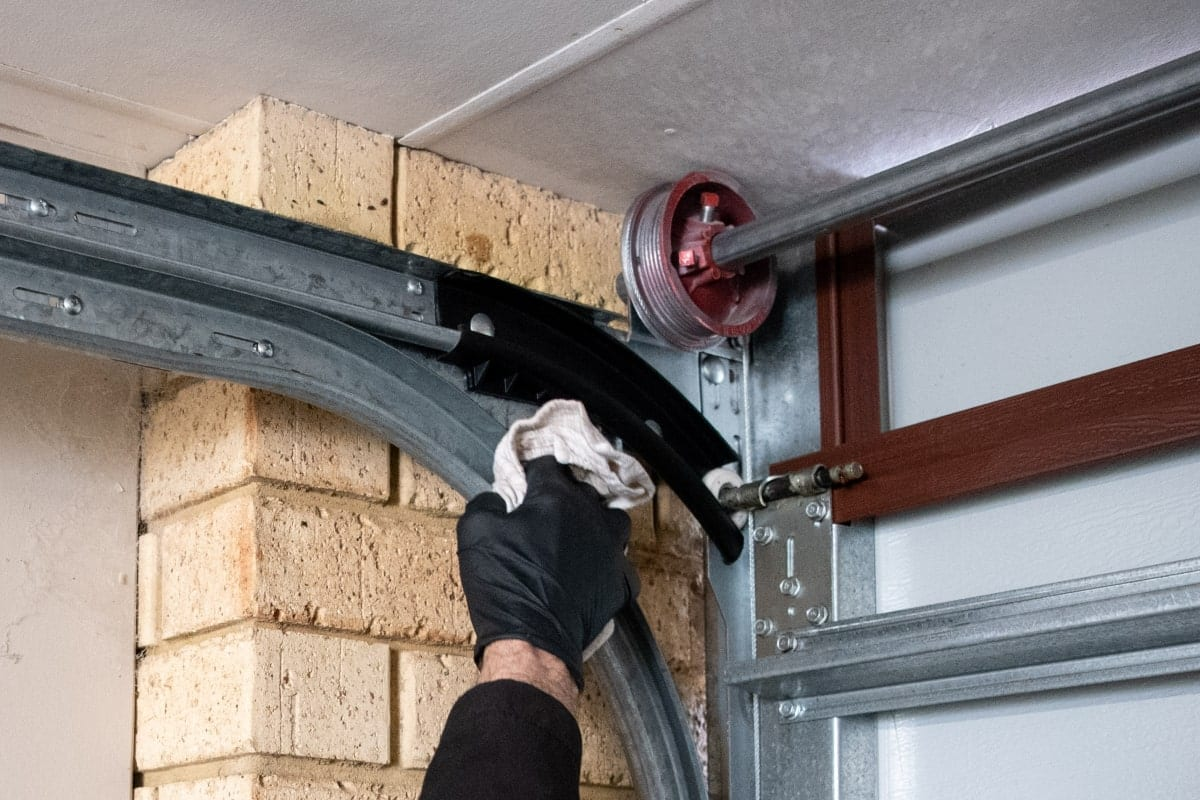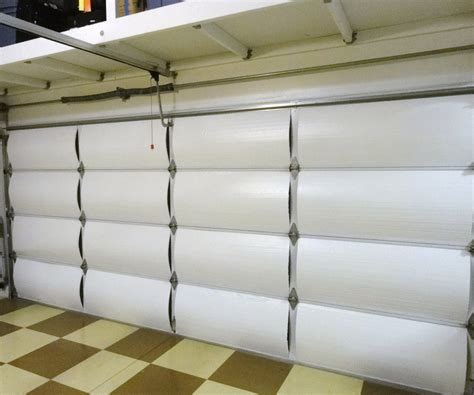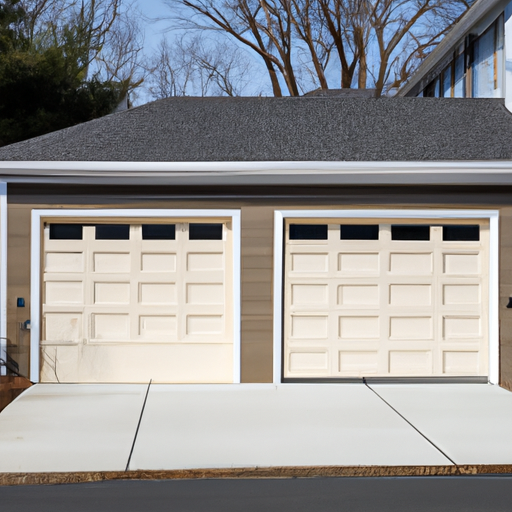
Homeowners in Marlboro, NJ face unique weather and style demands when choosing materials for garage door repair. The right choice balances durability, insulation, and curb appeal while matching regional conditions. This guide helps you compare common materials, understand local tradeoffs, and make decisions that fit your budget and home.
Why material choice matters for garage door repair
When planning a garage door repair, material affects longevity, safety, and energy performance. In New Jersey’s mix of hot, humid summers and freezing winters, some materials resist warping and corrosion better than others. Choosing wisely reduces future repair frequency and can protect your engine, insulation, and the home’s interior from drafts and moisture.
Common garage door materials: pros and cons
Below are the most common options you’ll see for residential garage doors in the Marlboro area. Each has typical repair issues and expected service life.
Steel
Steel is the most common choice for garage door repair because it’s strong, relatively low-cost, and available in insulated or non-insulated panels.
- Pros: Durable, low maintenance, available with foam insulation for energy efficiency, resists dents if thicker gauge.
- Cons: Can rust if coatings are damaged; coastal or humid inland areas need galvanized or painted finishes; dents may require panel replacement.
- Repair notes: Replacing damaged steel panels or weatherstripping is routine during repair visits.
Aluminum
Aluminum is lighter than steel and resists corrosion, making it a choice for wider doors or modern designs.
- Pros: Corrosion-resistant, lightweight (eases opener strain), contemporary look.
- Cons: Dents easily; less insulating unless backed with foam; repairs often mean replacing entire sections.
- Repair notes: For homeowners who want a rust-free option, aluminum is good, but expect cosmetic repairs after impacts.
Wood and composite wood
Wood doors are prized for appearance but require more maintenance in NJ’s variable climate.
- Pros: High curb appeal and customization; good sound dampening.
- Cons: Susceptible to rot, swelling and cracking if not properly sealed; heavier and may need stronger hardware.
- Repair notes: Small repairs (patching, sealing) can extend life, but repeated moisture damage often leads to replacement.
Fiberglass
Fiberglass resists rust and can mimic wood grain, but extreme cold can make it brittle.
- Pros: Low maintenance, resists salt and humidity, lightweight.
- Cons: Can crack under impact; discoloration over time with UV exposure.
- Repair notes: Repairs focus on cracking and paint touch-ups; insulation options vary by model.
Insulation and thermal performance
Insulation matters in Marlboro because it lowers heating costs in winter and reduces temperature swings in summer. If your garage contains living space, a well-insulated door is essential.
- R-value: Look for doors with higher R-values (foam-insulated steel doors are common) to reduce heat transfer.
- Noise and comfort: Insulated doors cut vibration and sound—useful if the garage adjoins bedrooms or a home office.
- Repair angle: During many garage door repair jobs, technicians will recommend replacing damaged seals and bottom weatherstrips to restore insulation performance.
Local climate considerations for Marlboro homeowners
NJ winters bring freezing temperatures and salt exposure from road treatments; summers can be humid. These factors influence material longevity and maintenance intervals.
- Salt and moisture: Choose galvanized or coated steel, or aluminum, in areas exposed to road spray.
- Freeze-thaw cycles: Ensure proper weatherproofing and strong seals to prevent moisture intrusion and warped panels.
- Sun exposure: Use UV-resistant finishes on fibreglass or painted steel to avoid fading and cracking.
Cost, lifespan, and budgeting for repair vs replacement
Deciding between a targeted garage door repair and a full replacement depends on material condition, age, and your budget.
- Short-term repairs: Fixing springs, tracks, or a single damaged panel can be more cost-effective, especially for steel or aluminum doors.
- When to replace: Extensive rot in wood, multiple dented panels, or a door older than 20 years may mean replacement delivers better value.
- Budgeting tip: Factor in insulation upgrades and hardware replacement; these often provide the best ROI on comfort and energy savings.
Choosing a contractor and what to expect
Always choose a licensed, insured technician familiar with local codes and common Marlboro repair needs. A professional assessment will identify whether a repair, panel swap, or full replacement is the correct path.
Ask a contractor to:
- Assess panel or track damage and provide a written estimate.
- Recommend materials suited for NJ weather and your home’s architecture.
- Explain warranties for parts and labor and expected timelines.
To read homeowner tips and seasonal maintenance reminders, visit our blog. When you’re ready to schedule an on-site evaluation, use our contact page to set an appointment. For a full list of repairs and replacement options, see our services overview.
Quick checklist for your garage door repair decision
- Inspect panels for dents, rust, rot, or warping.
- Check seals, weatherstripping, and bottom sweep for water infiltration.
- Confirm opener compatibility and weight limits if switching materials.
- Get at least two written estimates that outline materials, labor, and warranty.
Final recommendations for Marlboro homeowners
For most Marlboro homes, insulated steel offers the best balance of durability, insulation, and cost for garage door repair and replacement. If you live on a salt-exposed street, prioritize corrosion-resistant finishes. Choose wood for historic properties where appearance outweighs maintenance, and consider aluminum or fiberglass for custom styles or wide doors.
If you need help choosing materials or scheduling a repair, contact a local professional who understands NJ climate impacts and can provide a clear estimate and timeline.
Helpful local resources in Marlboro, NJ
- Garage Door Repair Hoboken
- Garage Door Repair Montclair
- Garage Door Repair Westfield
- Garage Door Repair Summit
- Garage Door Repair Maplewood
- Garage Door Repair Livingston
- Garage Door Repair Short Hills
- Garage Door Repair Princeton
- Garage Door Repair Red Bank
- Garage Door Repair Morristown
- Garage Door Repair Chatham
- Garage Door Repair Mendham
- Garage Door Repair Bernardsville
- Garage Door Repair Bedminster
- Garage Door Repair Clinton
- Garage Door Repair Tenafly
- Garage Door Repair Ridgewood
- Garage Door Repair Upper Saddle River
- Garage Door Repair Wyckoff
- Garage Door Repair Basking Ridge
- Garage Door Repair South Orange
- Garage Door Repair Teaneck
- Garage Door Repair Fort Lee
- Garage Door Repair East Brunswick
- Garage Door Repair Montvale
- Garage Door Repair Haddonfield
- Garage Door Repair Marlboro
- Garage Door Repair Cranford
- Garage Door Repair Voorhees
- Garage Door Repair North Caldwell
Frequently Asked Questions
1. How does New Jersey weather affect garage door materials and repairs?
Freeze-thaw cycles and summer humidity can warp wood and corrode unprotected steel. For Marlboro homes, choose galvanized or painted steel, or aluminum, and replace seals during repair visits to prevent moisture damage.
2. How long will a typical garage door repair take in Marlboro?
Most standard repairs—spring replacement, track realignment, or panel swap—are completed in 1–3 hours. Complex jobs or ordered replacement panels can extend the timeline to several days.
3. What price range should I expect for common repairs?
Short repairs like spring or cable replacement often range from a few hundred dollars, while panel replacement or heavy-duty hardware can cost more. Ask for a written estimate with parts and labor broken out.
4. Do garage door repairs in NJ require permits?
Most simple repairs do not need permits, but full replacements or structural changes may. Your local Marlboro building department can confirm requirements; your contractor can also advise.
5. Are there warranties on repairs and materials?
Yes—manufacturers typically warranty panels and openers; reputable contractors should offer a labor warranty. Always get warranty terms in writing before work begins.
Helpful local resources in Marlboro, NJ
- Garage Door Repair Hoboken
- Garage Door Repair Montclair
- Garage Door Repair Westfield
- Garage Door Repair Summit
- Garage Door Repair Maplewood
- Garage Door Repair Livingston
- Garage Door Repair Short Hills
- Garage Door Repair Princeton
- Garage Door Repair Red Bank
- Garage Door Repair Morristown
- Garage Door Repair Chatham
- Garage Door Repair Mendham
- Garage Door Repair Bernardsville
- Garage Door Repair Bedminster
- Garage Door Repair Clinton
- Garage Door Repair Tenafly
- Garage Door Repair Ridgewood
- Garage Door Repair Upper Saddle River
- Garage Door Repair Wyckoff
- Garage Door Repair Basking Ridge
- Garage Door Repair South Orange
- Garage Door Repair Teaneck
- Garage Door Repair Fort Lee
- Garage Door Repair East Brunswick
- Garage Door Repair Montvale
- Garage Door Repair Haddonfield
- Garage Door Repair Marlboro
- Garage Door Repair Cranford
- Garage Door Repair Voorhees
- Garage Door Repair North Caldwell